
Protection against pathogens
Mechanical protection and camouflage: The "fungal sheath", which in places covers the fine roots in a thick, multicellular layer, protects the roots inside mechanically against harmful organisms. At the same time, it works like a cloak of invisibility: plant-eating nematodes, for example, no longer recognise the plant underneath.
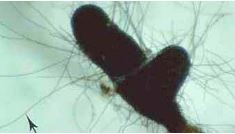
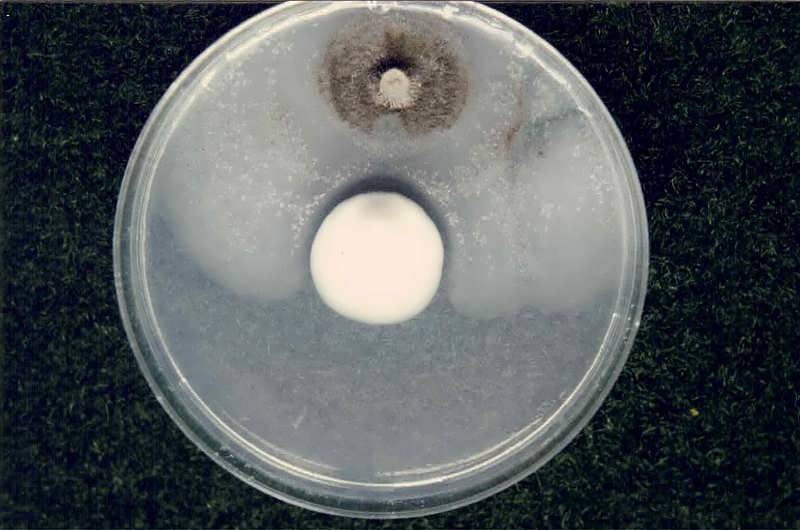
Antibiotic secretions: Many mycorrhizal fungi release substances with an antibiotic effect into the surrounding soil – comparable to penicillin from the mould Penicillium, which is very effective against bacteria. These substances can inhibit or kill bacteria and/or fungal pathogens. The effect has been demonstrated against several harmful moulds (e.g. Fusarium, Pythium) and against rot fungi (e.g. honey fungus).
More about Benefits of mycorrhiza
- Drought toleranceFungal hyphae enlarge the water-absorbing surface 100 to 1,000 times.
- Nutrient uptakeMore phosphate, nitrogen and trace elements – even on poor sites.
- Pest resistancePre-immunisation and better vitality make plants less susceptible.
- Soil toleranceProtection against heavy metals and aluminium, access to locked-up nutrients.